

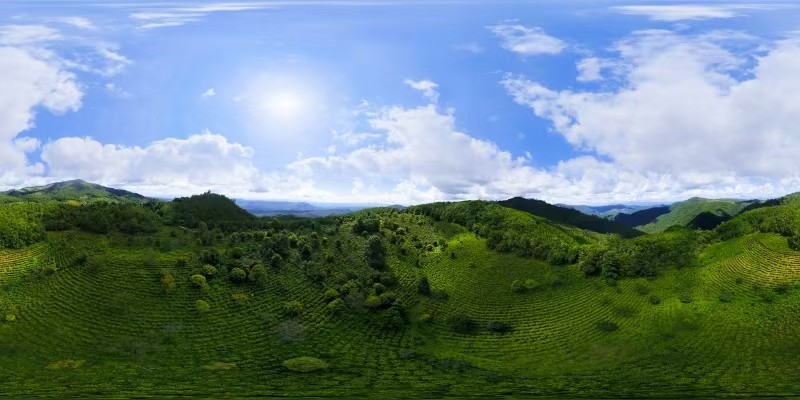
Jinggu is located in the Lancang River basin of Yunnan Province, on the southern section of the Wuliang Mountains. The Tropic of Cancer runs through the area. With an average elevation of about 1,700 meters and a forest coverage rate of 78.33 percent, Jinggu enjoys an excellent ecological environment and is widely known as a “natural oxygen bar” of China.
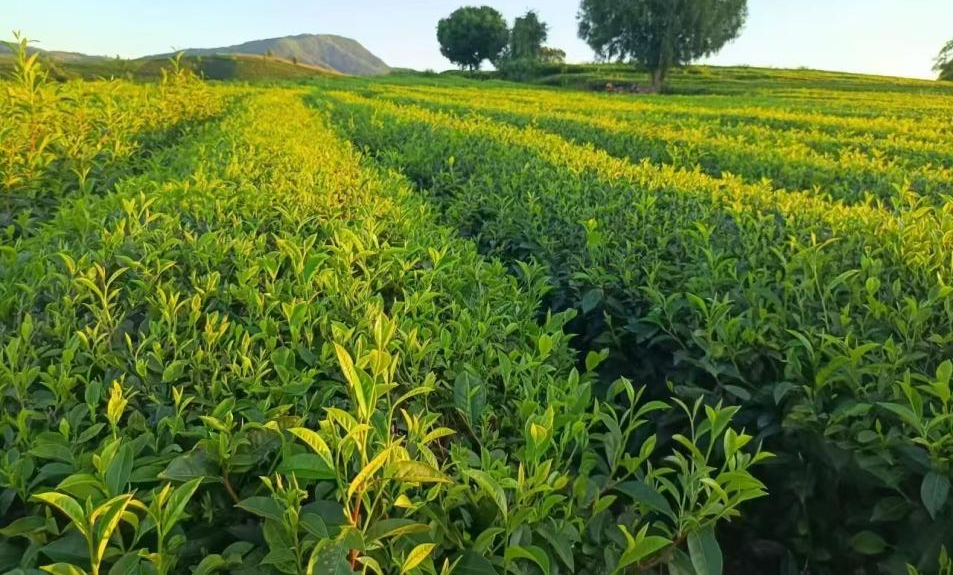
Thanks to these favorable natural conditions, Jinggu has nurtured a distinctive white tea of exceptional quality. Jinggu white tea is known for its attractive appearance, plump buds and leaves, and distinctive silvery tips (baihao). It has earned honors such as being named one of Yunnan’s eight famous teas, and it enjoys broad recognition among both the market and consumers.
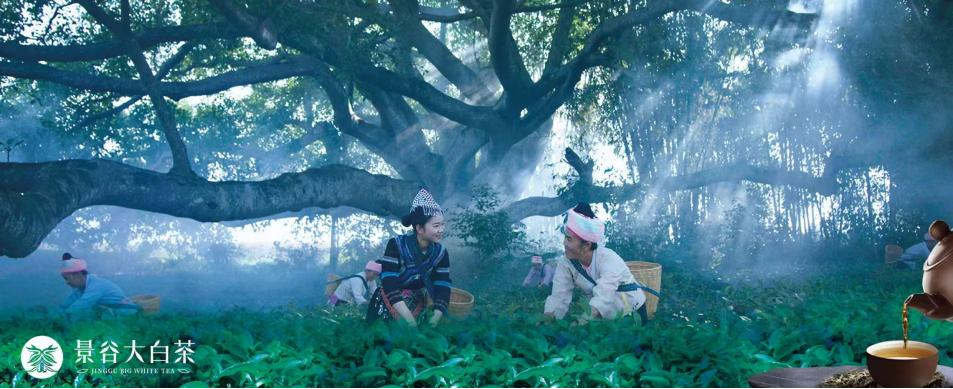
The history of Jinggu white tea can be traced back to the Qianlong period of the Qing Dynasty. At that time, local tea farmers made a tribute tea known as “White Dragon Whisker Tribute Tea,” binding it with red silk thread for presentation to the imperial court. This helped Jinggu white tea gradually gain renown. Jinggu is also the site where a broad-leaved magnolia fossil dating back about 35.4 million years was discovered. This provides important physical evidence for research into regional biological evolution and also reflects the area’s deep connection with ancient plant resources. Today, Jinggu is still home to 108 ancient tea trees that are more than 500 years old, making its old-tree tea resources especially valuable. From its origins as tribute tea to its development today, Jinggu white tea has become an important cultural link connecting local ethnic traditions, memories of the Ancient Tea Horse Road, and the broader heritage of Chinese tea culture.
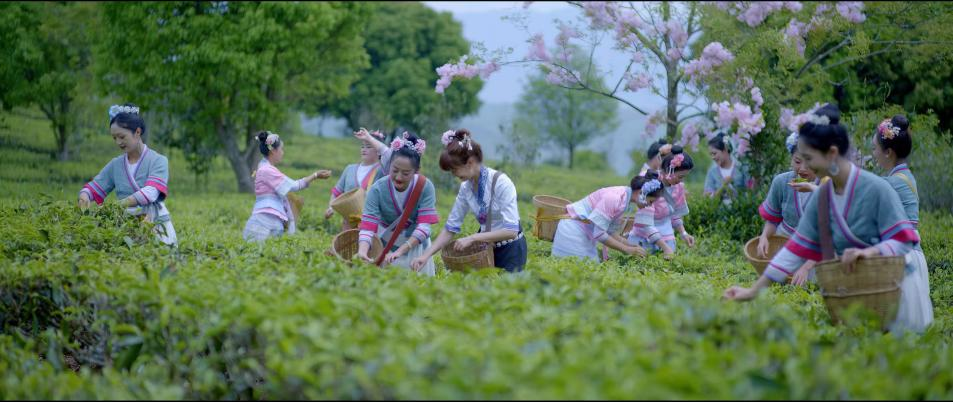
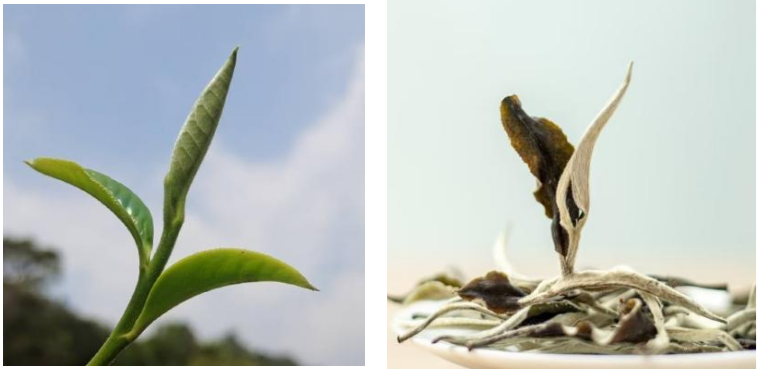
In terms of processing, Jinggu white tea follows the traditional white tea method, relying mainly on natural withering and drying, without rolling or pan-firing. This helps preserve the tea’s natural active compounds to a large extent. The finished tea is silver-green and covered with fine hairs, while the liquor is light yellow and bright, with a sweet, mellow taste and a rich aroma that makes it highly distinctive. Jinggu white tea is often summarized by five defining qualities: large buds, broad leaves, sweetness, strong aroma, and excellent endurance over repeated infusions. Even after multiple brews, it retains pleasing fragrance and lingering flavor.
In recent years, Jinggu white tea has evolved from a traditional agricultural product into a pillar local industry with distinctive strengths. At present, the county has 200,000 mu of tea plantations, an annual white tea output of about 13,000 tons, and a total industrial output value exceeding 4.8 billion yuan. By promoting organic tea garden development, attracting leading enterprises, and building the regional public brand “Jinggu Large-Leaf White Tea,” Jinggu has steadily expanded the scale of its tea industry and improved its industrial system. According to available figures, 250,000 mu of tea gardens in the county have received organic certification, placing Jinggu among the leaders in Yunnan in terms of certified scale. The development of the tea industry has not only increased farmers’ incomes, but has also supported the preservation of intangible cultural heritage, the integration of tea and tourism, and rural revitalization. It has become an important pathway for turning ecological advantages into development advantages.
At this new stage of development, Jinggu is systematically planning the future of its white tea industry through work in varietal breeding, technological research and development, market expansion, and brand communication. For example, the county is cultivating new varieties such as “Yunhuang No. 1,” advancing tea-related technological innovation, and expanding into international markets in Southeast Asia, Europe, and the United States under the framework of the Belt and Road Initiative. At the same time, Jinggu continues to raise the profile of its regional tea brand through tea events, trade fairs, and exhibition platforms, presenting the unique appeal of Chinese white tea to wider audiences.
Today, Jinggu is not only an important production area for high-quality white tea, but also a window through which to observe the high-quality development of China’s tea industry. Here, people can appreciate the delicate sweetness of white tea while also seeing how a single tea leaf can connect ecological conservation, industrial development, and rural revitalization.